Trezor.io/start: The Complete Guide to Setting Up and Using Your Trezor Wallet
Cryptocurrency has transformed how people store and transfer value, but it also comes with security risks. Storing crypto on exchanges leaves funds vulnerable to hacks and phishing attacks. Hardware wallets, like Trezor, are widely considered the safest way to keep digital assets secure. They store private keys offline, protecting your funds from malware and unauthorized access.
Trezor.io/start is the official portal to guide users through the secure setup and management of Trezor wallets. Whether you own a Trezor One or Trezor Model T, this platform helps users initialize their wallets, manage cryptocurrencies, and maintain security at every step. This guide covers everything you need to know, from unboxing to advanced features.
What is Trezor.io/start?
Trezor.io/start is the official setup portal provided by Trezor. It is designed to:
Ensure users download authentic Trezor Suite software.
Help initialize the Trezor hardware wallet safely.
Guide users through wallet creation, recovery seed setup, and firmware updates.
Reduce the risk of phishing attacks and counterfeit devices.
Using Trezor.io/start guarantees that you are following official, secure procedures, rather than relying on third-party guides or potentially unsafe websites.
Preparing for Setup
Before visiting Trezor.io/start, gather these essentials:
Trezor Hardware Wallet – Either Trezor One or Model T.
Computer or Mobile Device – Desktop preferred for full functionality.
USB Cable – Comes with your device. Trezor One uses USB-A; Model T uses USB-C.
Internet Connection – Needed to download Trezor Suite and firmware updates.
Secure Location for Recovery Seed – Pen and paper, or fireproof backup tool.
Important: Avoid public Wi-Fi during setup, as it can expose your device to potential attacks.
Step 1: Visit Trezor.io/start
Open a web browser on your computer.
Navigate to Trezor.io/start.
Click “Get Started” or “Download Trezor Suite”.
The website detects your operating system and provides the correct download link for Trezor Suite, ensuring you get the official software.
Step 2: Download and Install Trezor Suite
Trezor Suite is the software interface for managing your wallet.
Download the version compatible with your operating system (Windows, macOS, Linux, or web).
Install the application following the on-screen instructions.
Open Trezor Suite after installation.
Trezor Suite allows you to send, receive, and monitor cryptocurrencies securely while keeping private keys offline.
Step 3: Connect Your Trezor Wallet
Connect the Trezor device using the USB cable.
Trezor Suite automatically detects the wallet.
The device screen will display instructions for the next steps.
Note: Always use the original device and cable. Third-party hardware or cables may compromise security.
Step 4: Initialize Your Wallet
Trezor.io/start provides two options:
Option 1: Create a New Wallet
Recommended for first-time users.
The device generates a recovery seed (12–24 words).
Write the seed down on paper and store it offline in a safe place.
Option 2: Recover an Existing Wallet
For users who already have a recovery seed.
Enter the seed on the device to restore wallet access.
You will also be prompted to set a PIN, providing an additional layer of protection.
Step 5: Understanding Your Recovery Seed
The recovery seed is crucial—it’s the master key to your funds. Key considerations:
Never store the seed digitally.
Keep it in a safe, offline location.
Consider a fireproof or waterproof backup tool.
Never share it with anyone.
For Model T users, Trezor offers Shamir Backup, which allows splitting the seed into multiple parts for extra security.
Step 6: Set Up PIN and Passphrase
PIN: Required each time the device is connected. It prevents unauthorized access.
Passphrase (optional): Creates a hidden wallet. Each passphrase generates a unique wallet.
Both entries are made directly on the Trezor device, keeping your credentials safe from malware.
Step 7: Update Firmware
Firmware updates are essential:
Fix security vulnerabilities.
Add new features and coin support.
Improve stability.
Trezor Suite checks for firmware updates automatically. Only install updates from official sources.
Step 8: Adding Cryptocurrencies
Once your wallet is ready:
Open Trezor Suite.
Select the cryptocurrency you want to manage.
Click Add Account or Receive to generate a wallet address.
Trezor supports hundreds of cryptocurrencies, including Bitcoin, Ethereum, Litecoin, XRP, and ERC-20 tokens.
Step 9: Sending and Receiving Funds
Receiving Funds
Click Receive in Trezor Suite.
Verify the address on your Trezor device.
Share the address with the sender.
Sending Funds
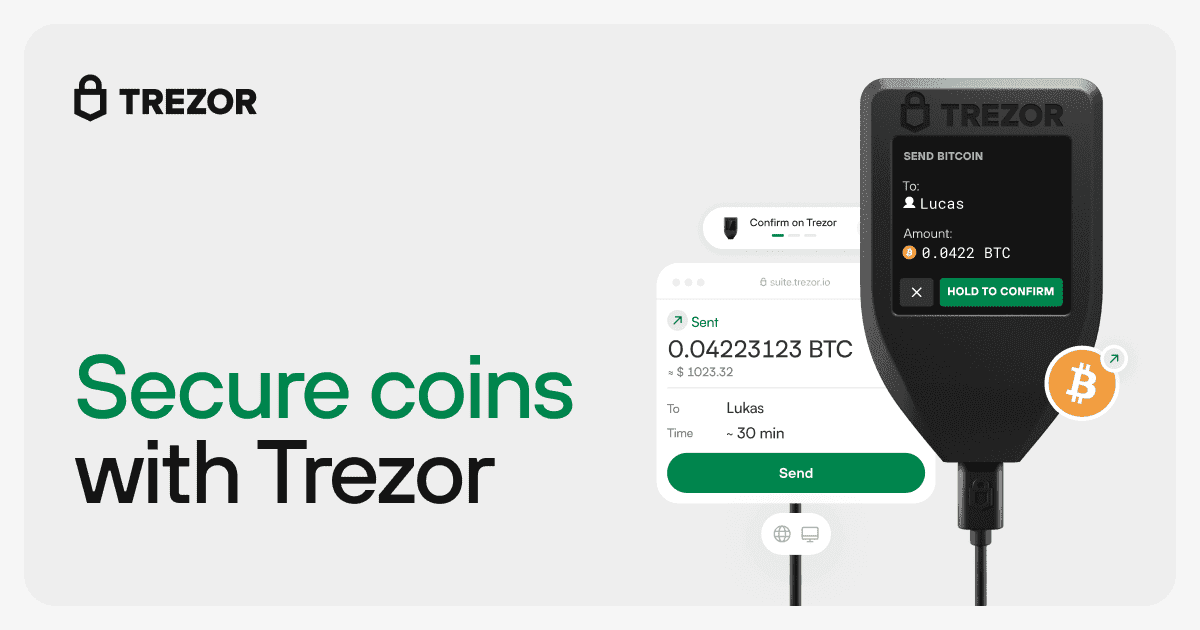
Click Send in Trezor Suite.
Enter the recipient’s address and amount.
Confirm the transaction on the Trezor device.
Hardware confirmation ensures malware cannot execute unauthorized transactions.
Step 10: Portfolio Management
Trezor Suite allows users to:
Monitor balances across multiple cryptocurrencies.
Track transaction history.
Manage multiple wallets and accounts.
Connect to third-party services like MetaMask or DeFi platforms.
This makes Trezor Suite a full-fledged portfolio management tool.
Security Features
Trezor.io/start and Trezor Suite provide robust security:
Hardware Authentication: Requires physical confirmation.
PIN Protection: Prevents unauthorized access.
Recovery Seed: Allows wallet recovery.
Passphrase Support: Optional hidden wallets.
Encrypted Communication: All device interactions are encrypted.
Even if your computer is compromised, your assets remain safe.
Troubleshooting Common Issues
Device Not Recognized: Check USB connection, restart Trezor Suite, ensure firmware is updated.
PIN/Passphrase Issues: Enter carefully; repeated failures lock the device temporarily.
Firmware Update Fails: Keep the device connected; only use official software.
Balance Not Showing: Refresh Suite and check internet connection.
Best Practices
Always use Trezor.io/start for setup.
Store recovery seed offline securely.
Use a strong PIN and optional passphrase.
Keep firmware updated.
Verify addresses on the Trezor device before sending funds.
Avoid public networks.
Consider Shamir Backup for extra redundancy (Model T).
Following these practices ensures maximum security for your funds.
Using Multiple Devices
Install Trezor Suite on multiple devices.
Connect the hardware wallet and authenticate with PIN and passphrase.
Portfolio information syncs through the hardware device.
This enables safe access from multiple locations while keeping private keys offline.
Trezor.io/start vs Third-Party Setup Guides
FeatureTrezor.io/startThird-Party GuidesSecurityHigh (official source)Varies, may be riskyFirmware UpdatesAutomatic, officialManual, may be unsafeRecovery Seed GuidanceStep-by-stepInconsistentMulti-Crypto SupportBuilt-inMay require extra appsEase of UseBeginner-friendlyOften confusing
Using Trezor.io/start ensures you follow the safest, official setup procedure.
Advanced Features
Hidden Wallets with Passphrase: Extra privacy.
SegWit and Taproot for Bitcoin: More efficient transactions.
NFT and Token Management: Securely store Ethereum-based tokens.
DeFi Integration: Connect safely to decentralized applications.
Shamir Backup: Split recovery phrase into multiple parts (Model T).
These features make Trezor Suite suitable for both beginners and advanced users.
Conclusion
Trezor.io/start is the official starting point for securely setting up your Trezor wallet. It guides users through:
Device initialization.
Wallet creation and recovery.
PIN and passphrase setup.
Firmware updates.
Managing multiple cryptocurrencies securely.
By following the steps on Trezor.io/start, users can safely manage their funds with full control over private keys, advanced security features, and a comprehensive cryptocurrency management interface.
Trezor.io/start, combined with a Trezor hardware wallet, provides one of the safest and most reliable ways to store and manage digital assets in the modern crypto ecosystem.