Trezor.io/start: Complete Guide to Setting Up Your Trezor Wallet
Cryptocurrency has revolutionized the way people handle money, but with freedom comes responsibility. Security is the number one priority when storing digital assets, and hardware wallets like Trezor are widely considered the safest solution. Trezor wallets store private keys offline, keeping them safe from hackers, malware, and phishing attacks.
Trezor.io/start is the official portal provided by Trezor to initialize and manage your Trezor hardware wallet safely. It is the starting point for anyone who owns a Trezor device, whether it’s a Trezor One or Trezor Model T. This guide provides a comprehensive walkthrough of Trezor.io/start, covering device setup, wallet creation, security features, and tips for safe usage.
What is Trezor.io/start?
Trezor.io/start is a dedicated webpage provided by Trezor to guide users through the process of securely setting up their Trezor wallet. It ensures that:
Users download the official Trezor Suite software.
Devices are initialized securely, avoiding counterfeit or compromised hardware.
Users are guided step-by-step through wallet creation, recovery seed setup, and firmware updates.
Using Trezor.io/start is the recommended method for first-time users because it minimizes the risk of phishing attacks and provides an official, trusted starting point.
Before You Start: What You Need
Before accessing Trezor.io/start, gather the following:
Trezor Wallet: Either Trezor One or Trezor Model T.
Computer or Smartphone: Desktop (Windows, macOS, Linux) or mobile device.
USB Cable: Comes with the device (USB-A for Trezor One, USB-C for Model T).
Internet Connection: Required to download Trezor Suite and firmware updates.
Secure Location for Recovery Seed: Pen and paper or a fireproof backup tool.
It’s important not to use public or unsecured networks during setup, as they can expose your device to potential attacks.
Step 1: Access Trezor.io/start
Open a web browser on your computer.
Navigate to trezor.io/start.
Click the “Get Started” or “Download Trezor Suite” button.
This page automatically detects your operating system and provides the correct version of Trezor Suite, avoiding the risk of downloading malicious software.
Step 2: Download and Install Trezor Suite
Trezor Suite is the official application used to interact with your Trezor hardware wallet.
Click the download button for your operating system.
Follow the on-screen instructions to install the software.
Open Trezor Suite once installation is complete.
Trezor Suite is designed to be user-friendly, providing a clear interface for sending, receiving, and managing cryptocurrencies.
Step 3: Connect Your Trezor Device
Use the USB cable to connect your Trezor wallet to your computer.
Trezor Suite will detect the device automatically.
The device screen will display prompts to proceed.
Important: Only use the original Trezor device and cable. Third-party devices or cables may compromise security.
Step 4: Initialize Your Trezor Wallet
You have two main options during initialization:
Option 1: Create a New Wallet
Recommended for first-time users.
Trezor generates a recovery seed (12–24 words) that acts as a backup.
Write the recovery seed on paper and store it securely offline.
Option 2: Recover an Existing Wallet
For users who already have a recovery seed.
Enter the seed on the device to restore wallet access.
During this process, Trezor Suite will also guide you to set a PIN, which adds an additional layer of security.
Step 5: Understanding Your Recovery Seed
The recovery seed is the most critical part of your wallet. It allows you to recover funds if your device is lost, stolen, or damaged. Key points to remember:
Never store the seed digitally (e.g., in a photo or cloud storage).
Keep the seed offline, in a secure location.
Never share the seed with anyone.
Consider using a fireproof or waterproof storage solution for long-term safety.
Trezor may also offer Shamir Backup (Model T) for splitting the seed into multiple parts, adding an extra layer of redundancy.
Step 6: Set Up PIN and Passphrase
Security is enhanced by using a PIN and optional passphrase:
PIN: Required each time the device is connected. Prevents unauthorized access.
Passphrase (optional): Creates a hidden wallet. Each passphrase generates a unique wallet.
Enter these directly on the Trezor device, not on your computer, to prevent malware attacks.
Step 7: Update Firmware
Trezor devices require firmware updates to ensure security. Firmware updates:
Fix security vulnerabilities.
Add new features and coin support.
Improve device stability.
Trezor Suite will automatically check if your device firmware is up-to-date. Always update firmware from official sources only. Never attempt to use unofficial firmware.
Step 8: Adding Cryptocurrencies
Once your wallet is initialized:
Open Trezor Suite.
Select the cryptocurrency you want to manage.
Click Add Account or Receive to get a wallet address.
Trezor supports hundreds of cryptocurrencies, including Bitcoin, Ethereum, Litecoin, XRP, and many ERC-20 tokens.
Step 9: Sending and Receiving Funds
Receiving Cryptocurrency
In Trezor Suite, click Receive.
Copy the displayed address.
Verify the address on your Trezor device to confirm accuracy.
Share the address to receive funds.
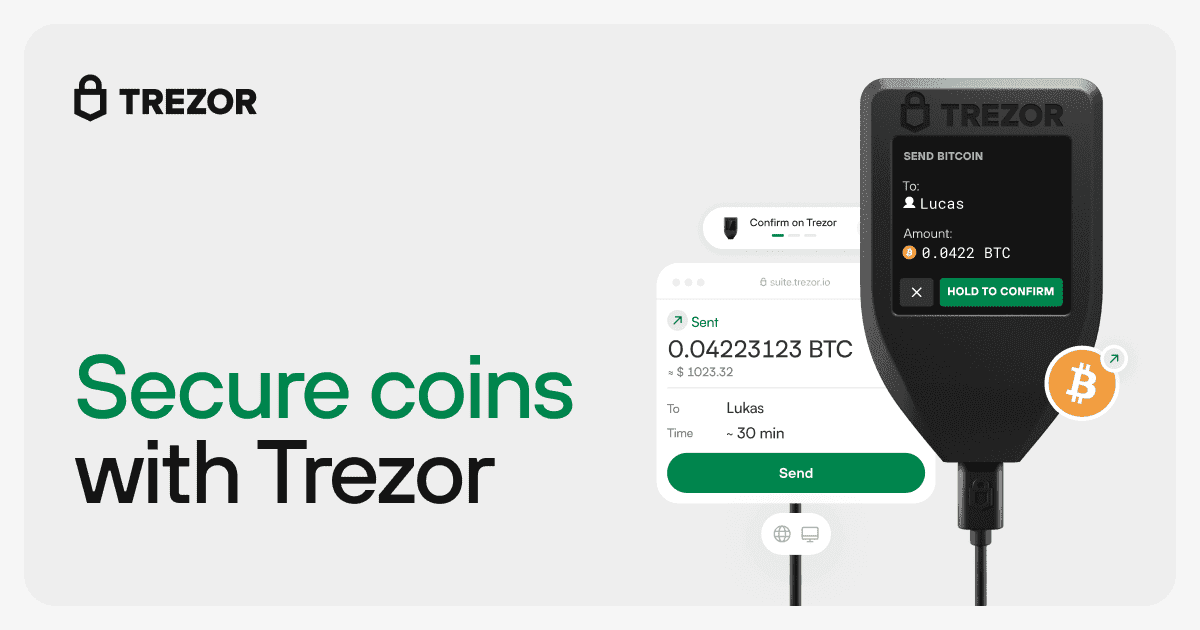
Sending Cryptocurrency
Click Send in Trezor Suite.
Enter the recipient’s address and amount.
Confirm the transaction on your Trezor device.
Physical confirmation on the hardware ensures that malware cannot authorize unauthorized transactions.
Step 10: Managing Your Portfolio
Trezor Suite allows you to:
Track balances across multiple cryptocurrencies.
Monitor transaction history and portfolio performance.
Manage multiple wallets and accounts.
Connect safely to third-party services like MetaMask or DeFi applications.
This makes Trezor Suite not just a secure wallet, but a comprehensive portfolio management tool.
Security Features of Trezor.io/start
Using Trezor.io/start ensures maximum security:
Hardware-Based Authentication: All actions require physical confirmation.
PIN Protection: Device cannot be used without a correct PIN.
Encrypted Communication: Communication between device and software is encrypted.
Recovery Seed: Allows complete recovery in case of loss.
Passphrase Support: Optional hidden wallets for added privacy.
Even if your computer is compromised, the Trezor device keeps your assets safe.
Troubleshooting Common Issues
Device Not Recognized
Check the USB connection.
Restart Trezor Suite.
Ensure your device firmware is up-to-date.
PIN or Passphrase Problems
Enter the PIN carefully; repeated failures temporarily lock the device.
Passphrase entries are case-sensitive.
Firmware Update Fails
Keep the device connected during the update.
Use official Trezor Suite only.
Balance Not Showing
Refresh Trezor Suite.
Check internet connectivity.
Best Practices for Trezor.io/start Users
Always use official Trezor.io/start for setup.
Keep your recovery seed offline in a secure place.
Use a strong PIN and optional passphrase.
Update firmware regularly.
Verify addresses on the Trezor device before sending funds.
Avoid using public networks during setup or transactions.
Consider using Shamir Backup for extra redundancy (Model T).
By following these best practices, your funds remain safe even in the face of malware or phishing attempts.
Trezor.io/start and Multiple Devices
You can access your Trezor wallet on multiple devices:
Install Trezor Suite on each device.
Connect the hardware wallet and enter PIN and passphrase.
Portfolio information syncs through the hardware device.
This allows secure access from multiple computers while keeping private keys offline.
Trezor.io/start vs Other Setup Methods
FeatureTrezor.io/startThird-Party GuidesSecurityHigh (official source)Varies, may be riskyFirmware UpdatesOfficial, automatedMay require manual stepsRecovery Seed GuidanceStep-by-step, officialNot guaranteedMulti-Crypto SupportBuilt-inMay need separate appsUser-FriendlinessBeginner-friendly interfaceCan be confusing
Using Trezor.io/start ensures a secure, official, and user-friendly setup compared to unofficial guides.
Advanced Features After Setup
Hidden Wallets with Passphrase: Adds privacy and extra security.
SegWit and Taproot for Bitcoin: More efficient transactions.
NFT and Token Management: Safely store Ethereum-based tokens.
Integration with DeFi: Connect safely to decentralized applications.
Shamir Backup (Model T): Split recovery seed for redundancy.
These features provide both flexibility and security for advanced users.
Conclusion
Trezor.io/start is the official gateway for initializing and managing your Trezor hardware wallet. By following the step-by-step instructions, you can:
Set up your wallet securely.
Create or recover a wallet.
Add cryptocurrencies and manage your portfolio.
Maintain maximum security using PINs, passphrases, and recovery seeds.
Whether you are a beginner or an advanced cryptocurrency user, using Trezor.io/start ensures that your assets are secure, accessible, and fully under your control. Combined with Trezor hardware, Trezor.io/start provides a safe, reliable, and comprehensive solution for managing digital assets in today’s digital economy.